 Content concept · For Dixon
Beyondthebooth
Where music culture shapes social reality
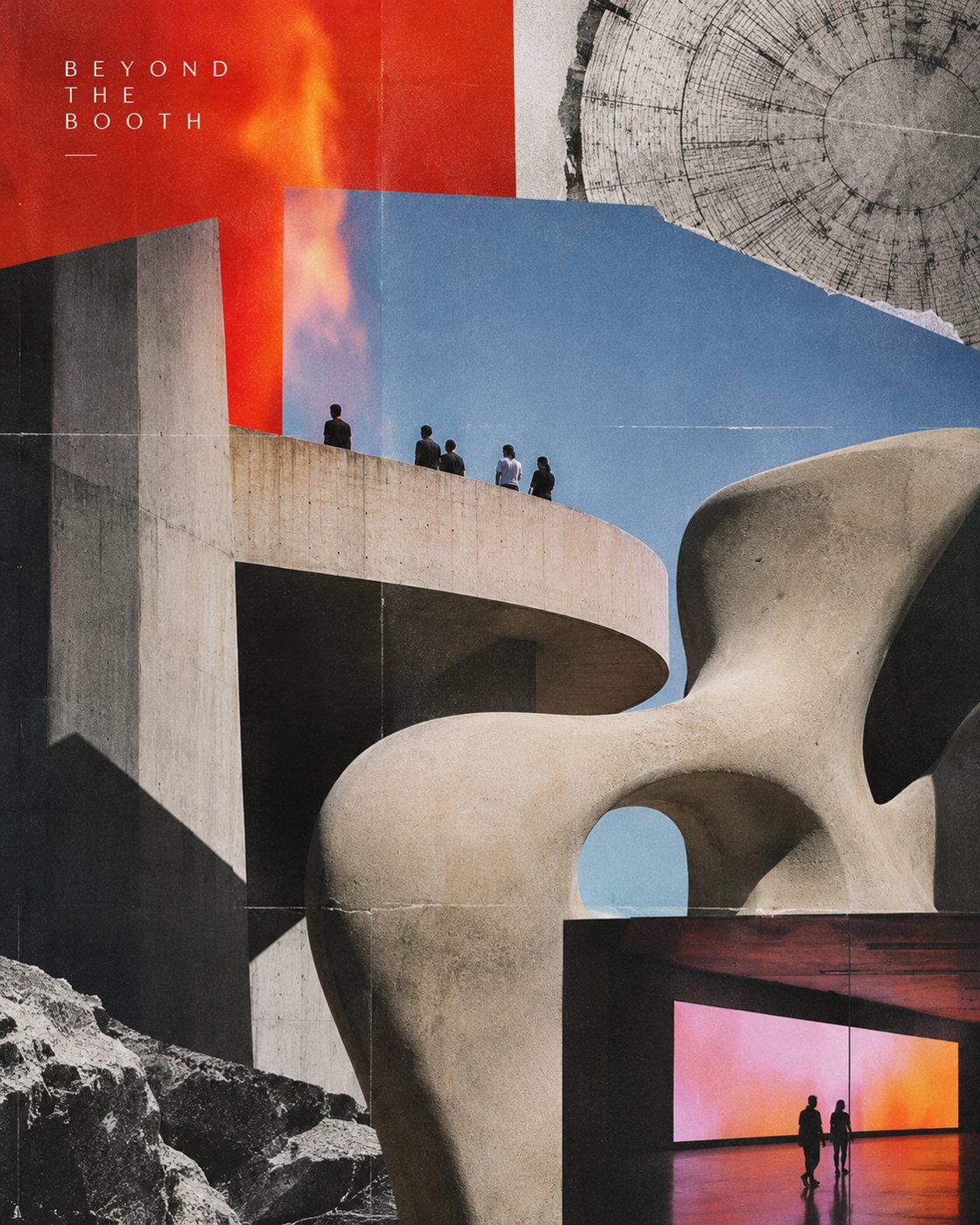
I've always been fascinated by the idea that music and culture are not simply reflections of society, but spaces in which society itself is shaped.
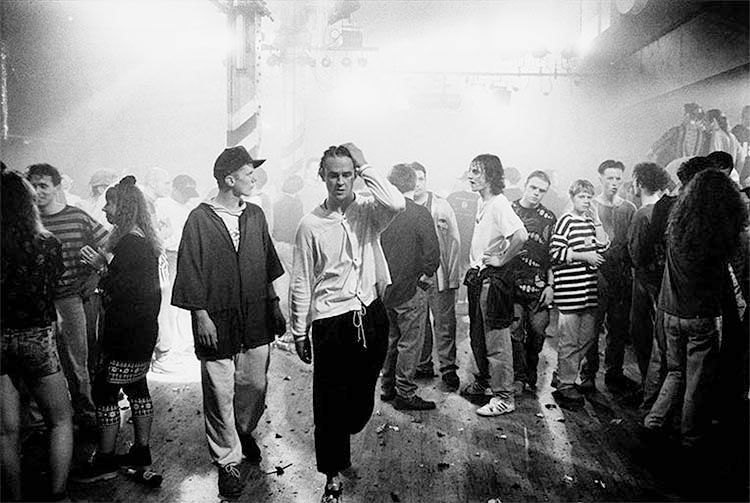
Electronic music, in particular, exists at the intersection of so many different disciplines, perspectives and social realities. A dancefloor can bring together people who might otherwise never cross paths. It can challenge conventions, create a sense of belonging and open up spaces for expression, exchange and collective experience.
And I think there's something inherently political about that, without it necessarily having to be political in an explicit sense.
This is also what I find particularly interesting about Dixon's artistic universe. His work moves naturally between music, contemporary art, design and technology, exploring the relationships between different creative disciplines and the experiences they create.
Beyond the Booth would be an ongoing editorial series exploring precisely these intersections.
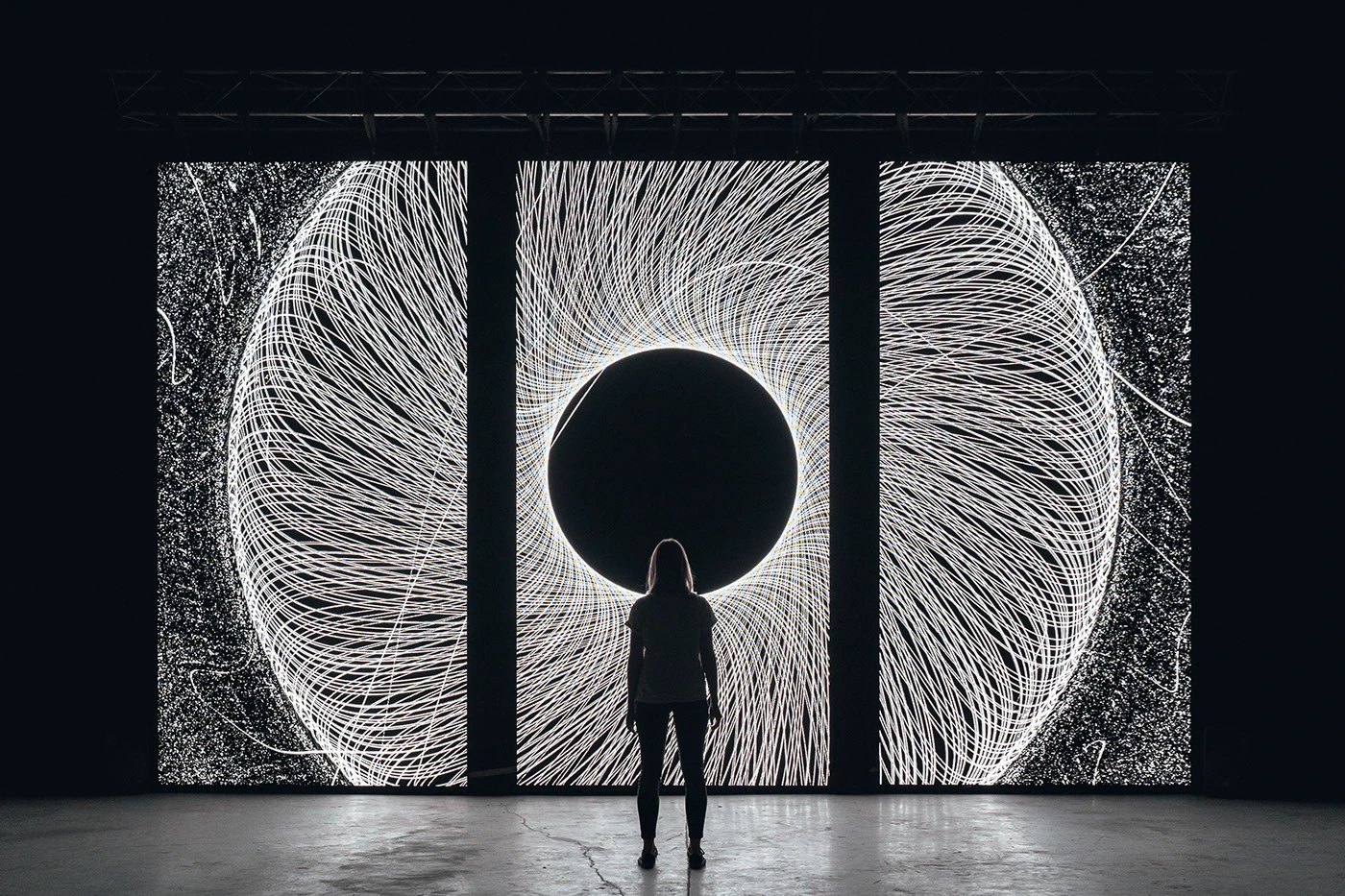
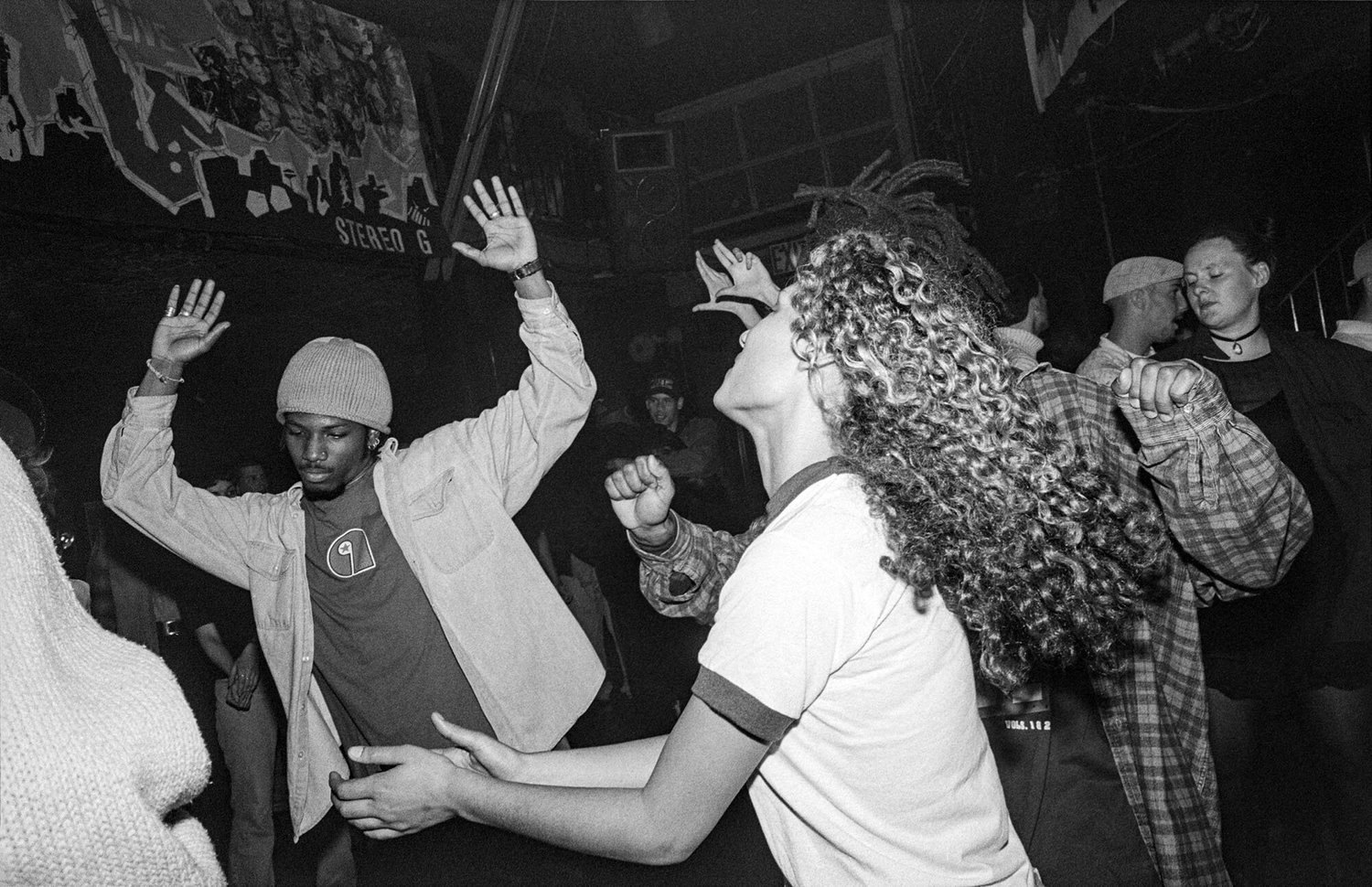
Rather than focusing exclusively on the artist or the performance, the series would look at the cultural and social worlds surrounding the music.
The spaces that make it possible, the people who shape it, the artistic ideas that influence it and the unexpected connections that emerge along the way.
Each edition could take a different starting point: a particular space, an artwork, an architectural concept, a creative collaboration, a cultural movement or even a single moment on the dancefloor.
The idea is not to explain the political or social significance of each subject, but to let these layers exist naturally within the storytelling.
Visually, I imagine the format almost like an extension of the artistic experience itself. Something that can be as immersive as a DJ set, as thought-provoking as an artwork or as immediate and emotionally engaging as a moment on the dancefloor.
It could move between cinematic short-form videos, experimental visual compositions, archival material, photography and carefully curated editorial pieces. Documentary imagery, bold typography and digital art could come together in unexpected ways, creating a visual language that feels both editorial and experimental. The aesthetic should be strong enough to capture attention on its own, while offering additional depth to those who want to engage further.
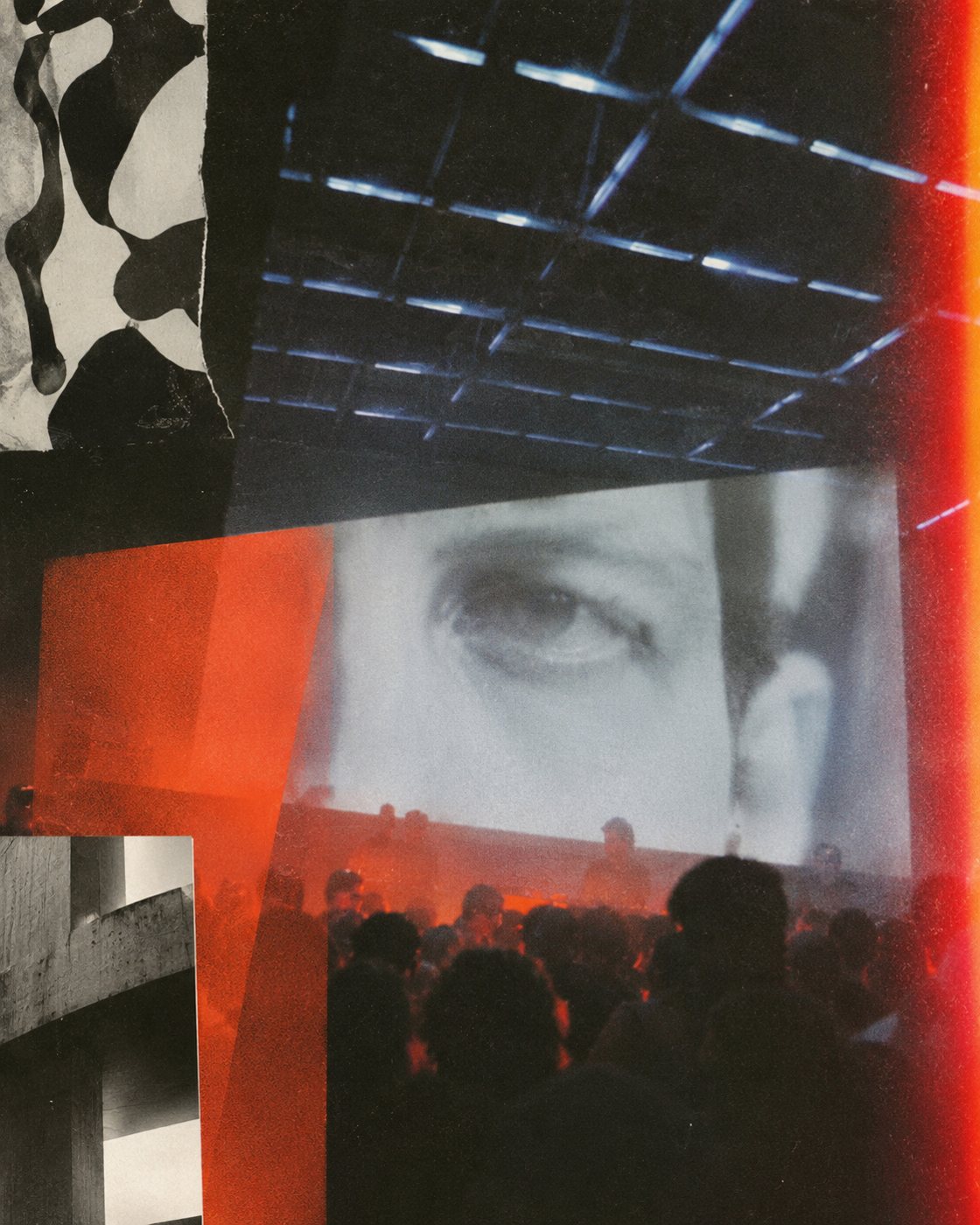
More than an editorial carousel.
Each edition could develop its own visual language, ranging from playful and colourful to minimal, surreal or immersive, while maintaining a consistent conceptual approach. This flexibility would allow the series to reflect the diversity and energy of electronic music culture without being tied to a single aesthetic.
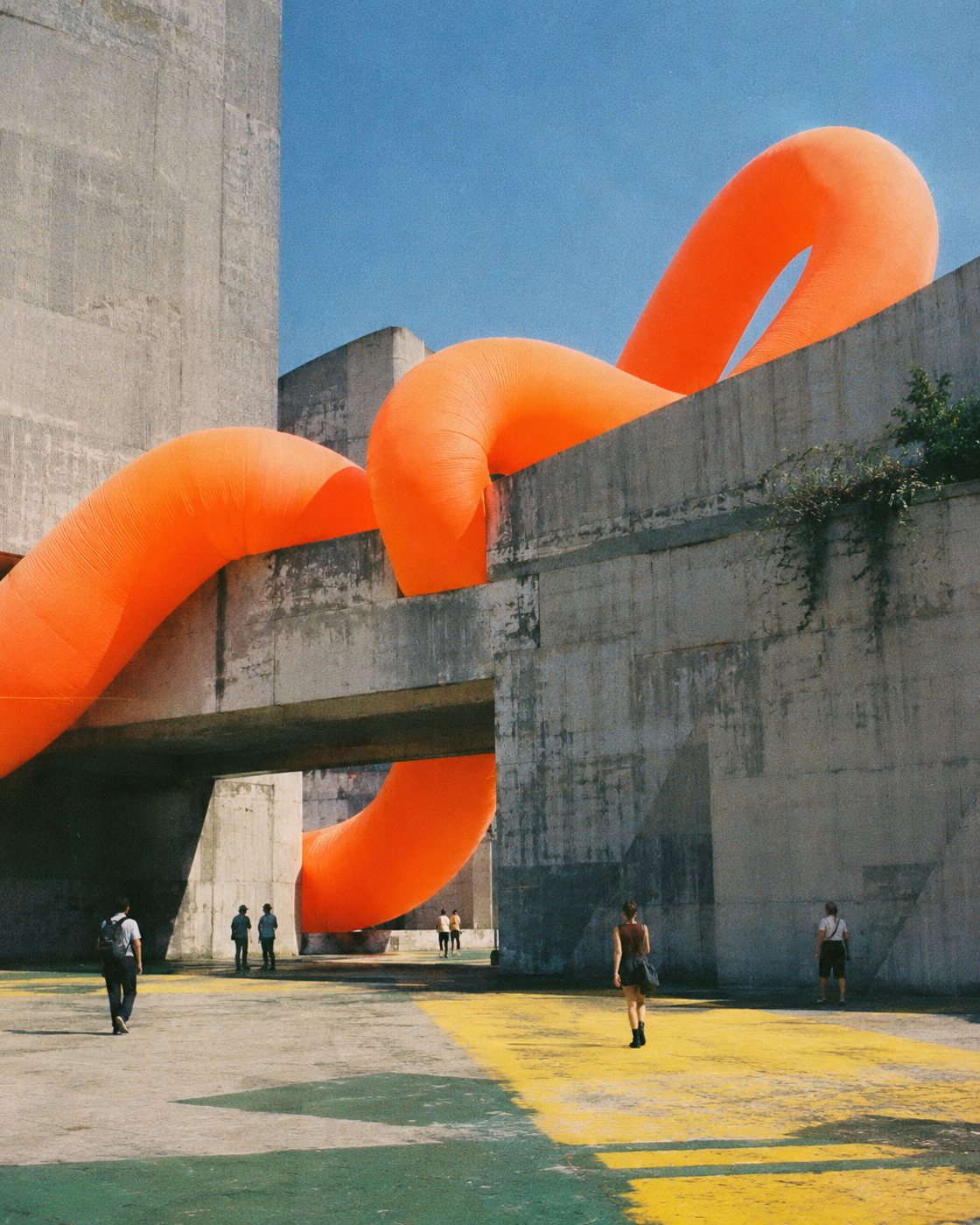
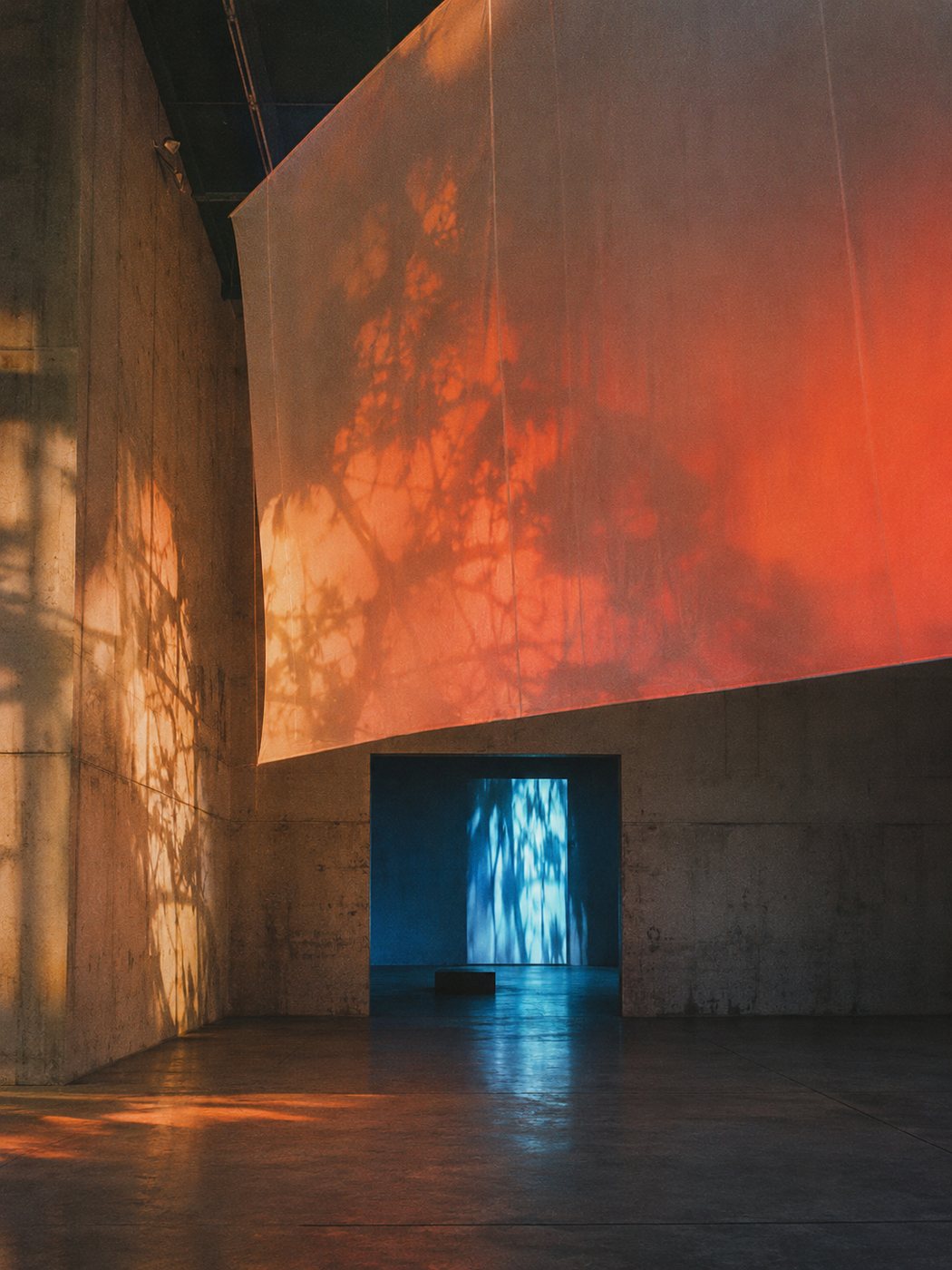
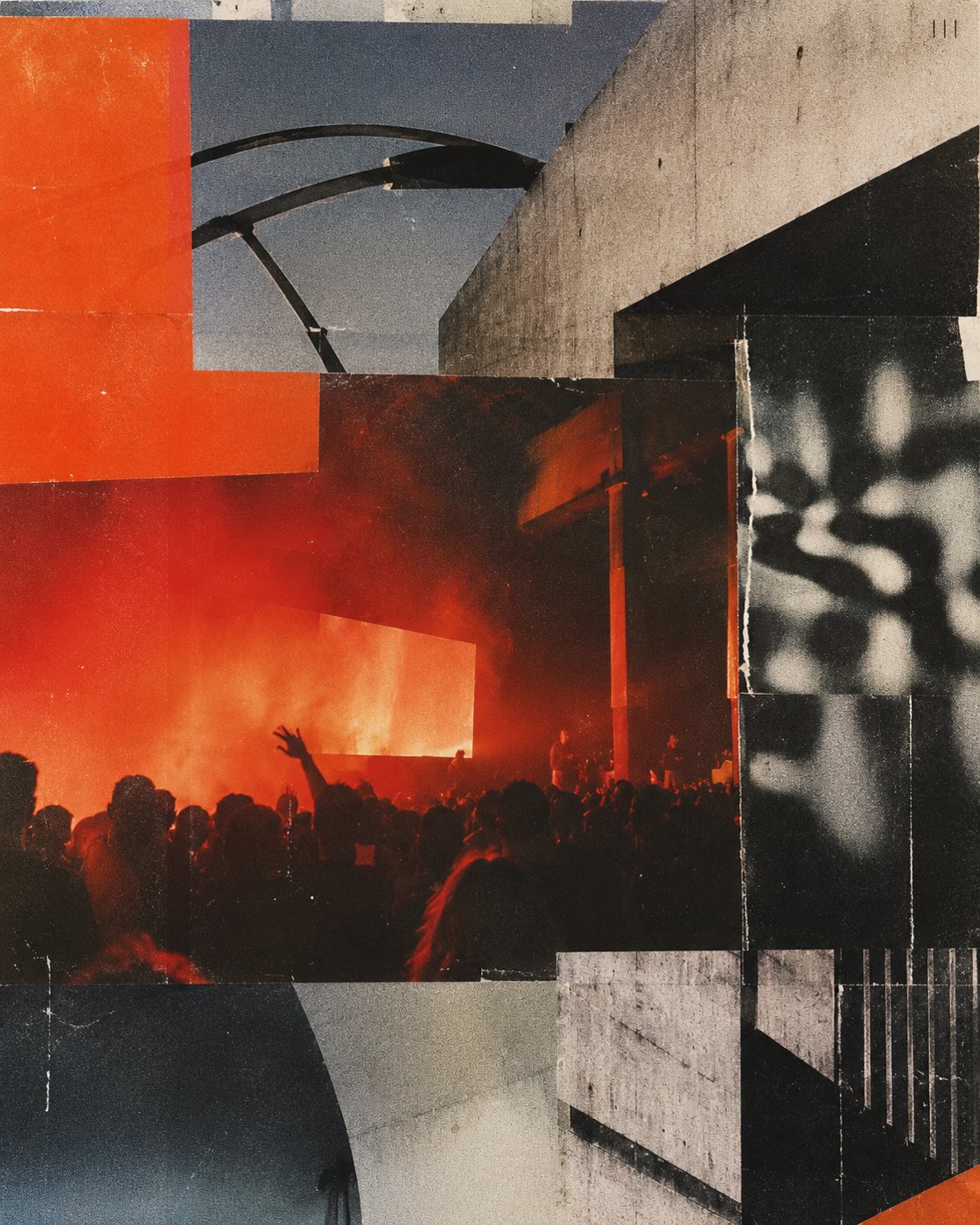
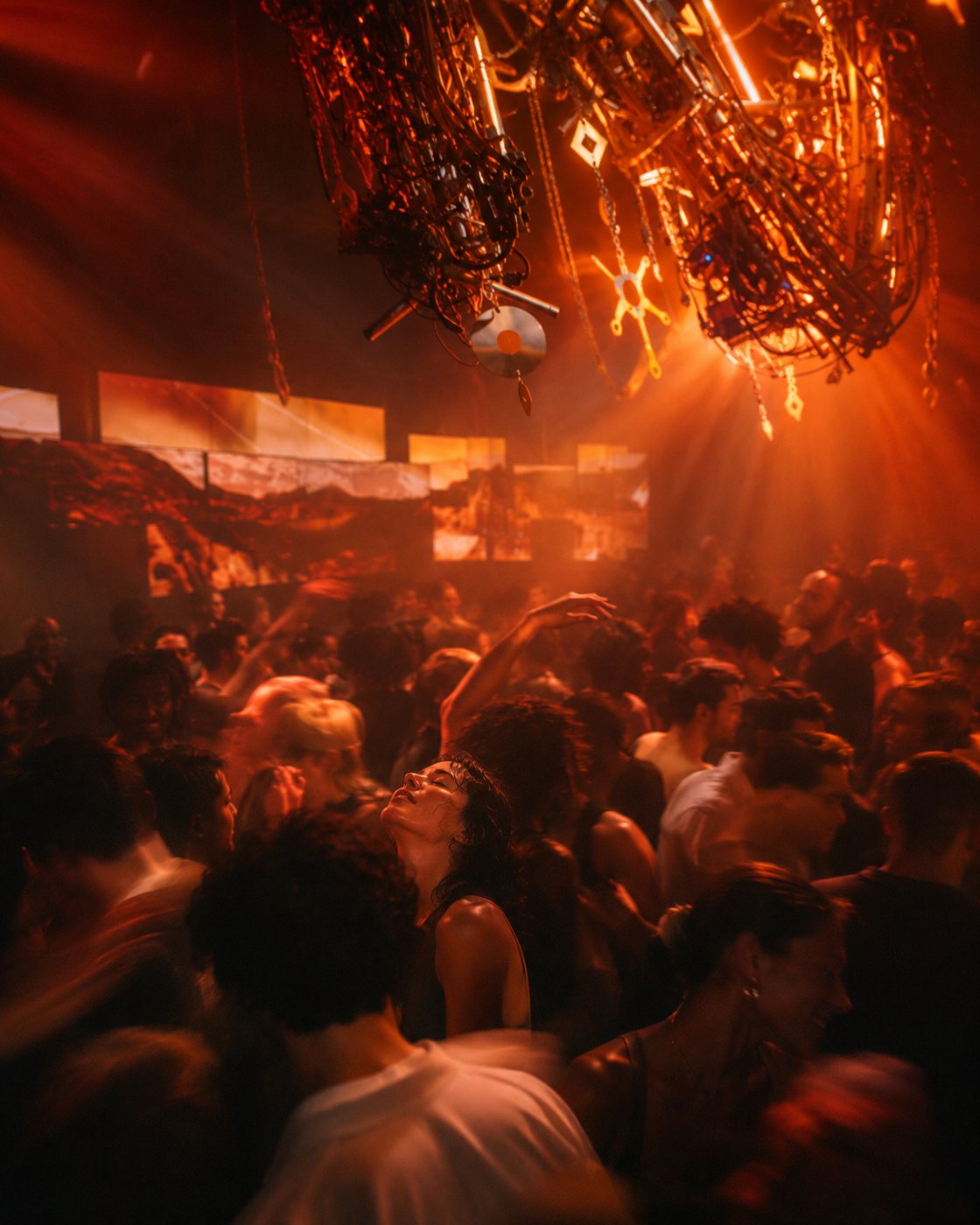
I'm particularly interested in how emerging technologies and AI can expand the possibilities of visual storytelling - not as a replacement for genuine cultural experiences, but as tools to reinterpret, connect and explore them in unexpected ways.
To develop the format, I would start by defining a clear editorial and visual direction together with the team, identifying relevant subjects and collaborators, and creating a small pilot series. Existing material could be combined with selected original content, allowing the series to grow organically while maintaining a consistent artistic identity.
Three ways of telling.
Editorial
Strong typographic storytelling and carefully curated image series. The magazine aesthetic of this dossier.
Experimental & AI
AI and digital design as a way to shift perspectives and translate ideas into images, not as a mere effect.
Human
Real moments, spontaneous encounters, personal perspectives and stories from the world around the music.
Four recurring themes.
The people make the place
Crowds, crews, local artists and communities, and the stories behind collective nights.
Spaces of freedom
A club or cultural space: how it emerged, what it makes possible, and who gets access.
Between sound & image
Creative collaborations and the translation of sound into visual experience.
Culture in motion
The dialogue between music, contemporary art, design and new technologies.
The space between us.
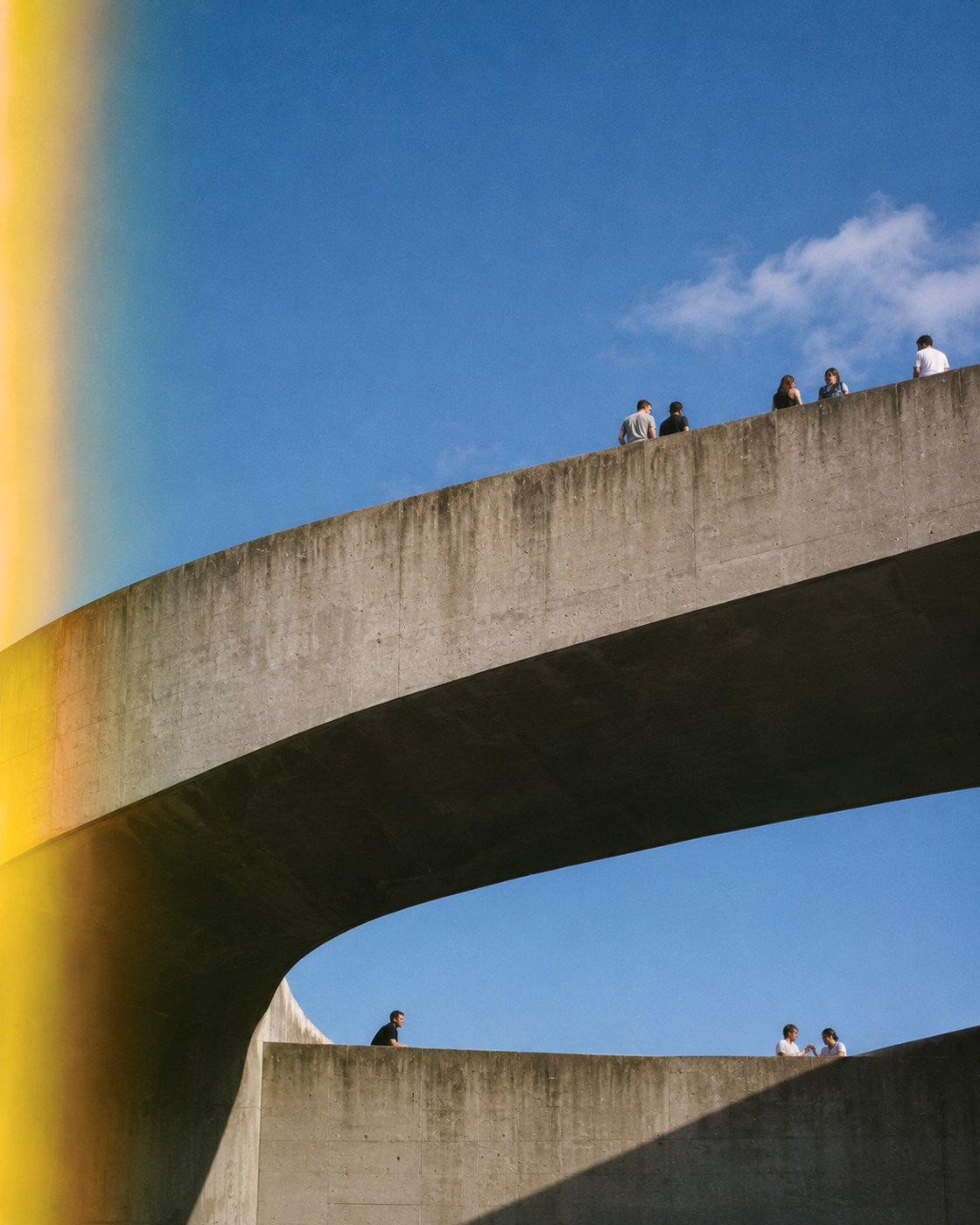
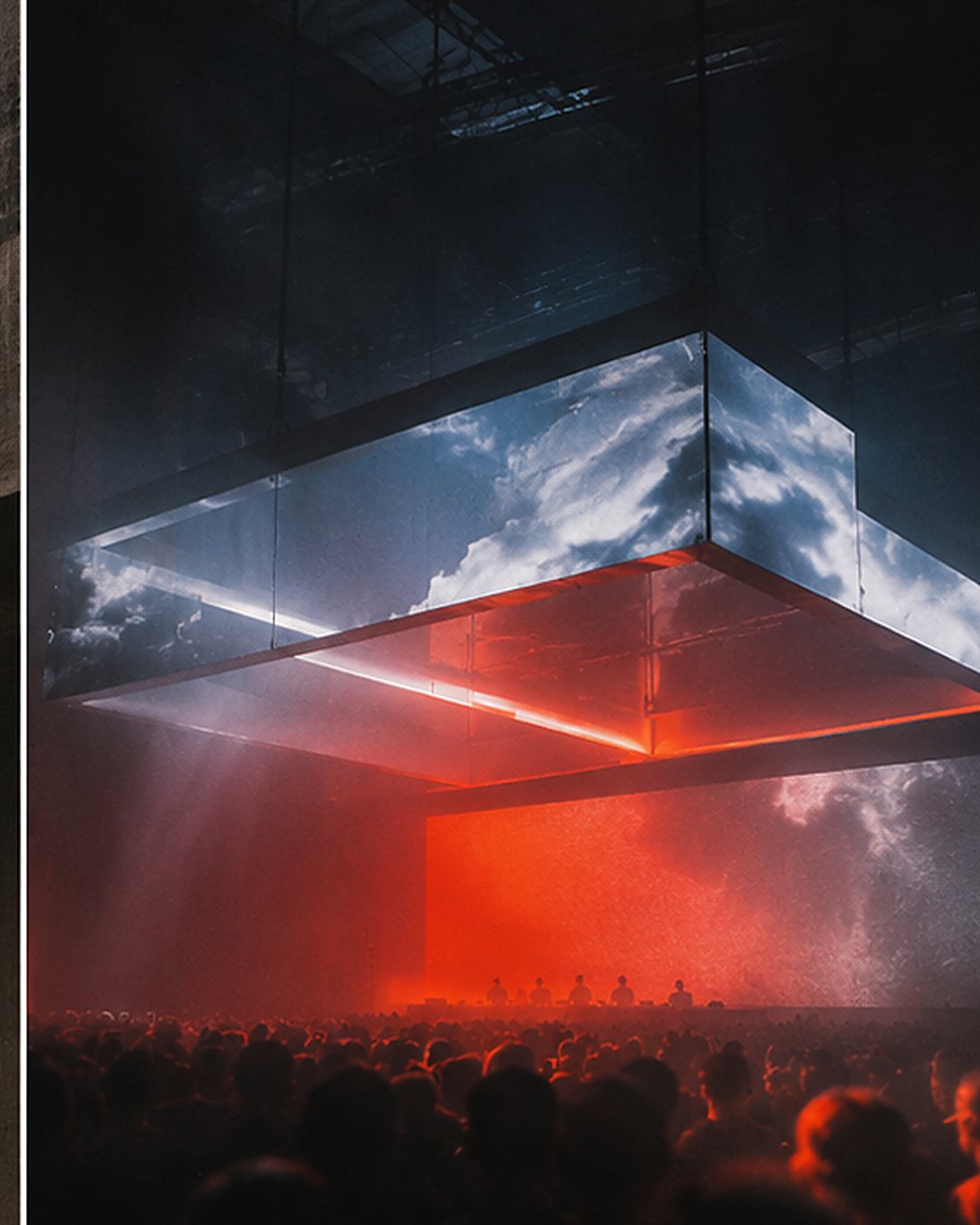
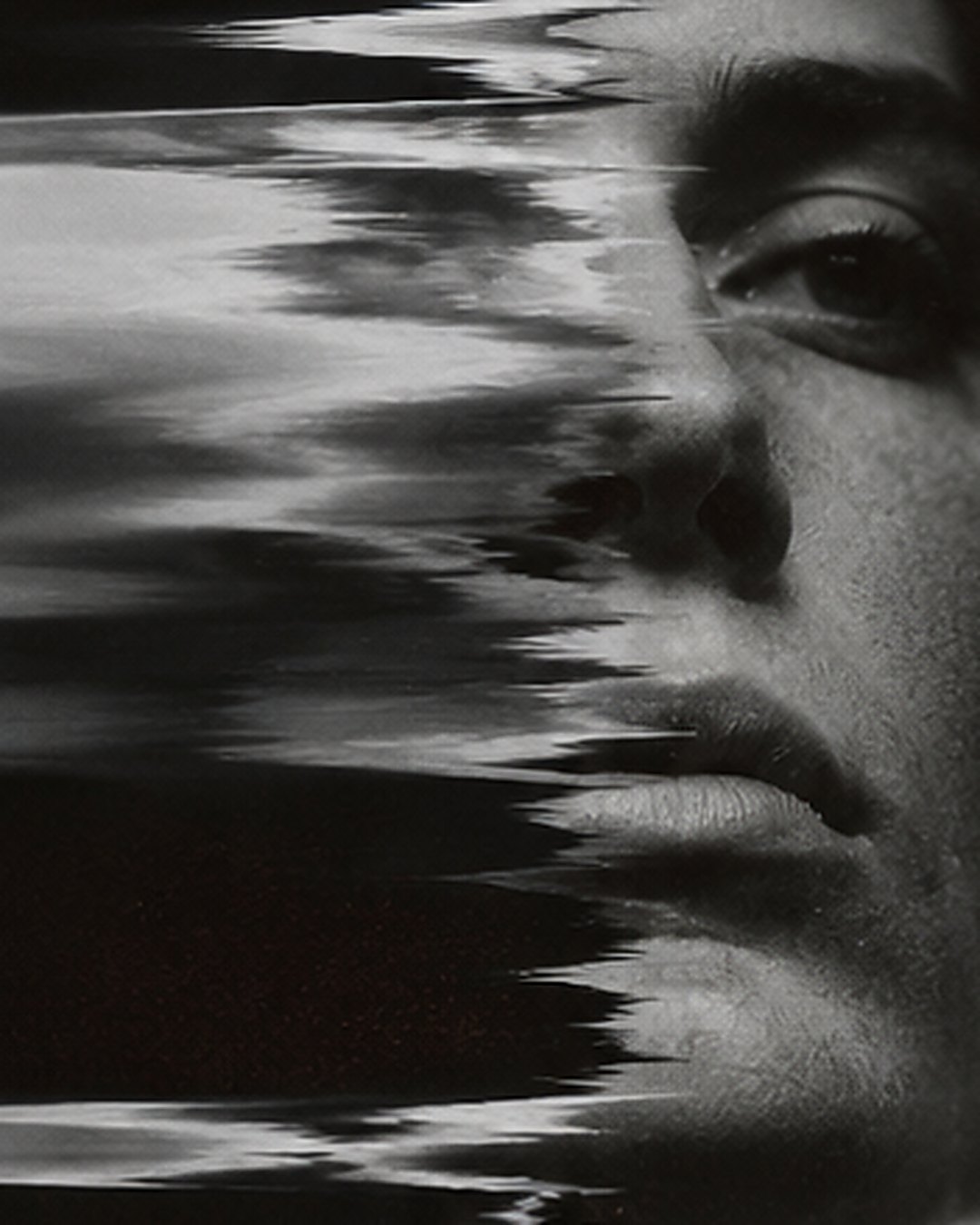
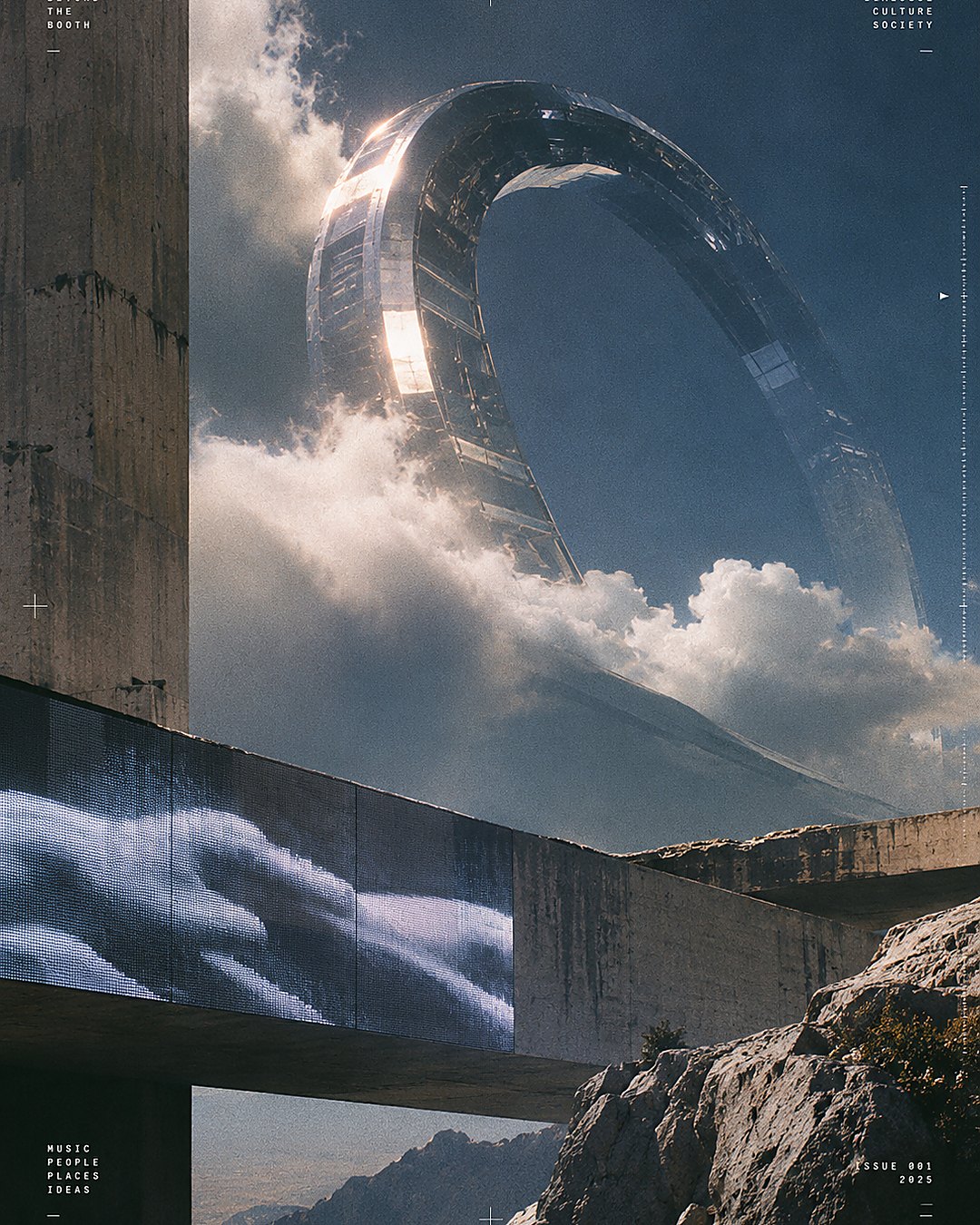
Visual narrativeFive images exploring the relationship between architecture, collective experience, identity, technology and human connection.
Beginning with the physical spaces we inhabit, the series moves through the collective energy of the dancefloor, the fragmentation of identity in a digital world and the possibilities of reimagining our surroundings.
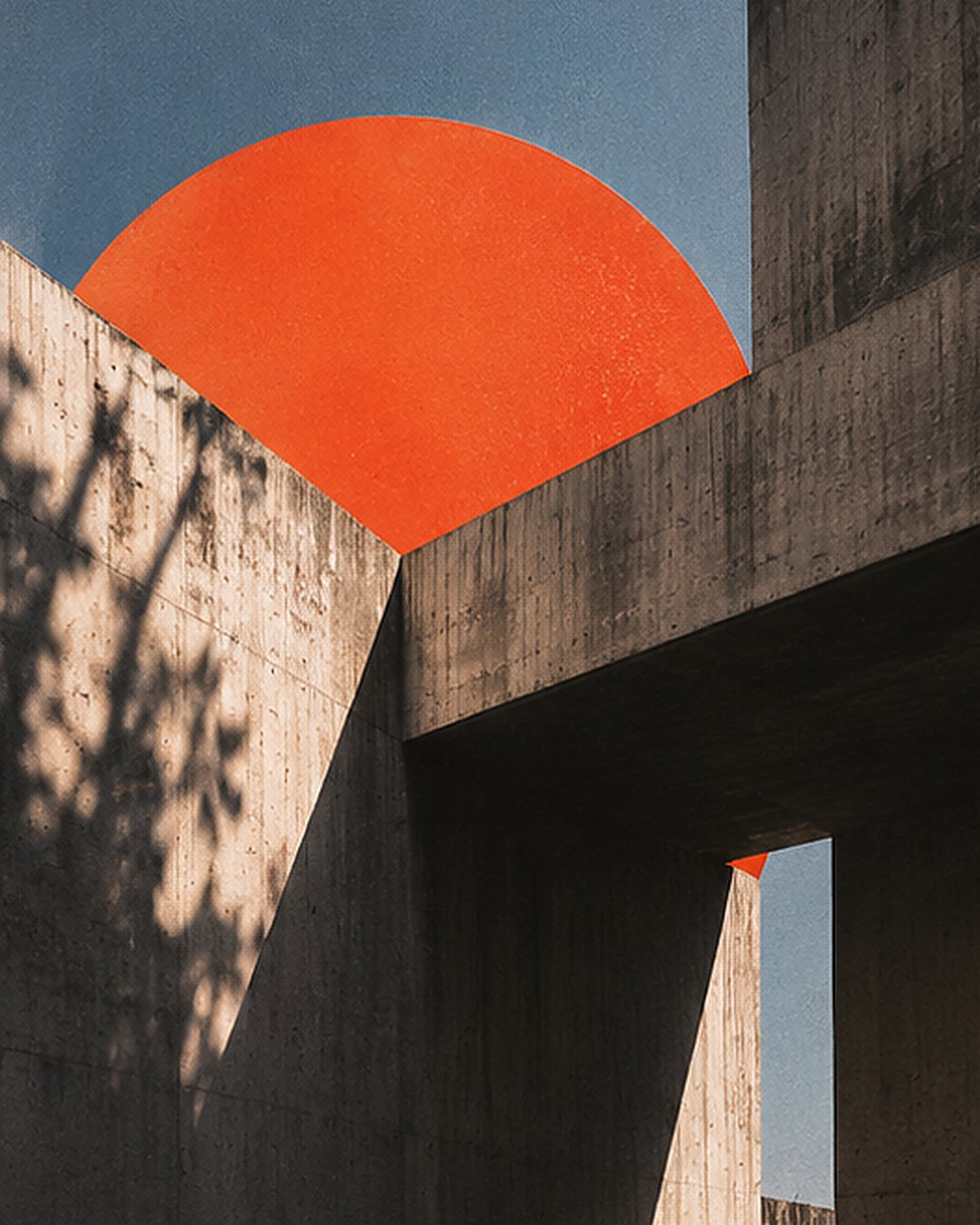
It ultimately returns to the idea of shared space - how artistic interventions and human experiences can transform the environments around us.
The narrative remains deliberately open to interpretation, allowing the images to communicate beyond their immediate visual meaning.
Ultimately, I would love to create a format that doesn't simply document electronic music culture, but explores the ideas, relationships and social spaces that give it meaning.
Because music creates spaces in which new ways of thinking, connecting and experiencing the world become possible.